
We don’t just teach coding skills, we guide the learners in applying their learnings in the real world.

Our 1:1 personalised coding course enables students to master 9 programming languages including Python, Java, C++, and block-based coding—all while doing real-world projects. Beyond regular classes, students can also participate in hackathons and competitions. That’s not all, students who create innovative products could progress to the youth entrepreneurship program, ultimately making this more than a course. We also provide KHDA and STEM-accredited certifications after course completion.














Learn Interactive block-based coding to visualise core programming and app development concepts using Scratch.
Understand various concepts in computer science by developing programs using a target programming language.
Write clean, well-tested, advanced Python programs using industry-standard software engineering patterns.







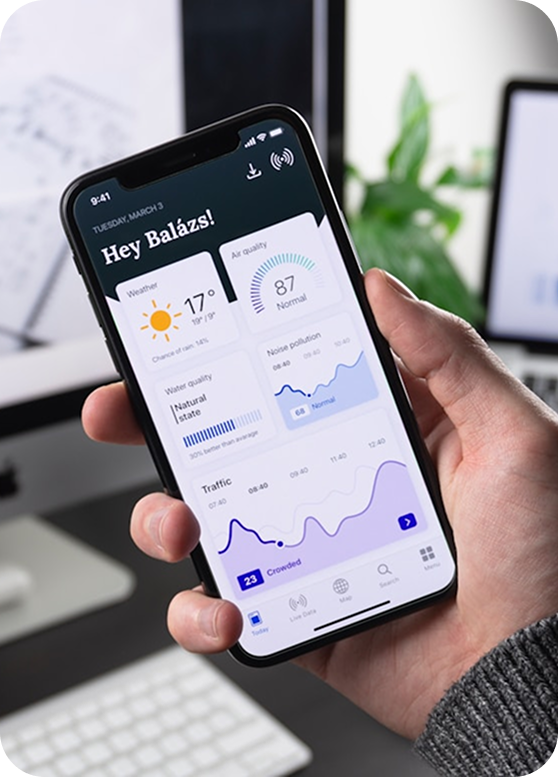
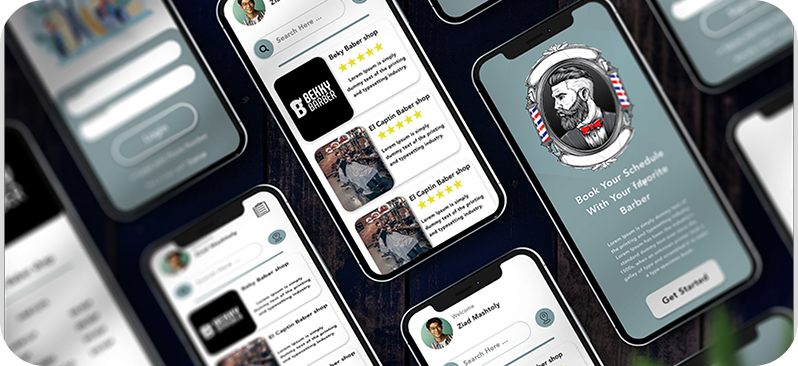


Our coding program is designed to help learners develop essential programming skills across three levels—Beginner, Intermediate, and Advanced. Each level builds on the previous one, focusing on problem-solving, real-world applications, and project-based learning.
This program is ideal for students, professionals, and coding enthusiasts who want to learn programming from scratch or improve their existing skills.
-Beginner: No prior coding experience needed; ideal for those starting from scratch.
-Intermediate: Some prior coding knowledge is required; suitable for those familiar with basic programming concepts.
-Advanced: For learners with strong coding skills looking to master advanced algorithms, data structures, and industry-level projects.
The program covers an array of different programming languages – Block Based Coding(Scratch, Blockly, Vex Code, MIT App inventor), C ++ (Robotics), Java, Python, C #, and C++(Coding).
Each level has 96 sessions with each session lasting 60 minutes. However, each programme is customised to the learners’ needs. Therefore you may advance and move up levels without needing to complete every session in each level.
Our coding course is conducted online. This allows more flexibility.
Typically, each class is 60 minutes. However, with younger learners, this may be customised depending on the learners’ needs and ability to engage in classes.
Yes, all Trusity coding course graduates earn a KHDA-permitted accredited certificate. STEM program courses are accredited by STEM.org.
Classes can be scheduled while purchasing a course package through the website. Classes can be rescheduled through Trusity’s Mobile App, available both on App Store and Google Play.
You can contact your teacher through Trusity’s portal PILOT or through the app.
Scholarships are provided through competitions and corporate sponsorship.
Classes are conducted through PILOT, Trusity’s online portal, best accessed via Google Chrome on a laptop.
Students share and submit work directly to their teacher through our PILOT platform.
Students can progress into Robotics, AI or our truPreneurs program to further develop their skills and ideas.
The ideal age to start taking baby steps in coding is 6. This is why the minimum age required for our online coding course is 6.
Trusity’s coding classes for kids provide a fun, interactive, and personalized learning experience. Through project-based learning and real-world applications, students explore programming languages like Scratch, Python, and Java. Our expert mentors guide them through 1:1 sessions, coding challenges, and competitions, helping them develop problem-solving skills and creativity.
Boosts Problem-Solving Skills
Learning programming for kids helps them think logically and break down complex problems into simple solutions.
Encourages Creativity
Through building games in Scratch coding and designing apps, kids develop innovative thinking.
Prepares for Future Careers
Early exposure to coding builds a strong foundation for STEM careers and digital literacy.
Develops Critical Thinking
Through structured coding school for kids, students learn to analyze, debug, and optimize their code.
Enhances Academic Performance
Coding improves math, logic, and reasoning skills, benefiting overall learning.
Provides a Fun Learning Experience
Engaging projects in online coding courses for kids make learning exciting and interactive.
Builds Confidence & Independence
Kids gain confidence by creating real-world projects and participating in coding competitions.
Give your child a head start in tech with Trusity’s online coding courses for kids! Whether they’re beginners or aspiring young coders, our structured curriculum ensures steady progress. Enroll today and watch your child code, create, and innovate with confidence!

Trusity aims at the holistic development in children and youth by developing their real-world knowledge and skillsets through robust technology combined with a personalized, and experiential learning environment.
Copyright © 2026 Trusity Innovations Learning. All Rights Reserved


Book a free demo session today and discover how our Coding program can help you excel

